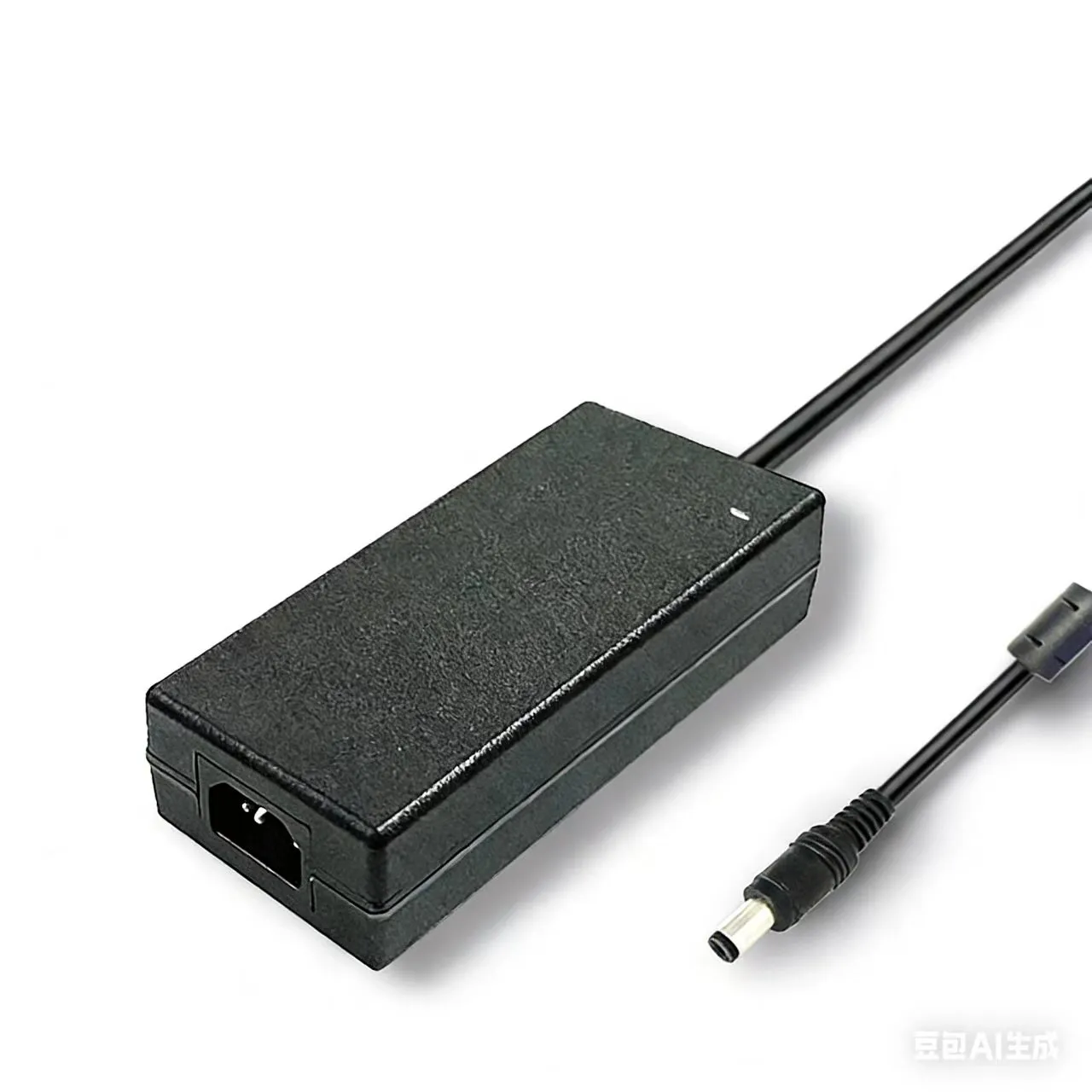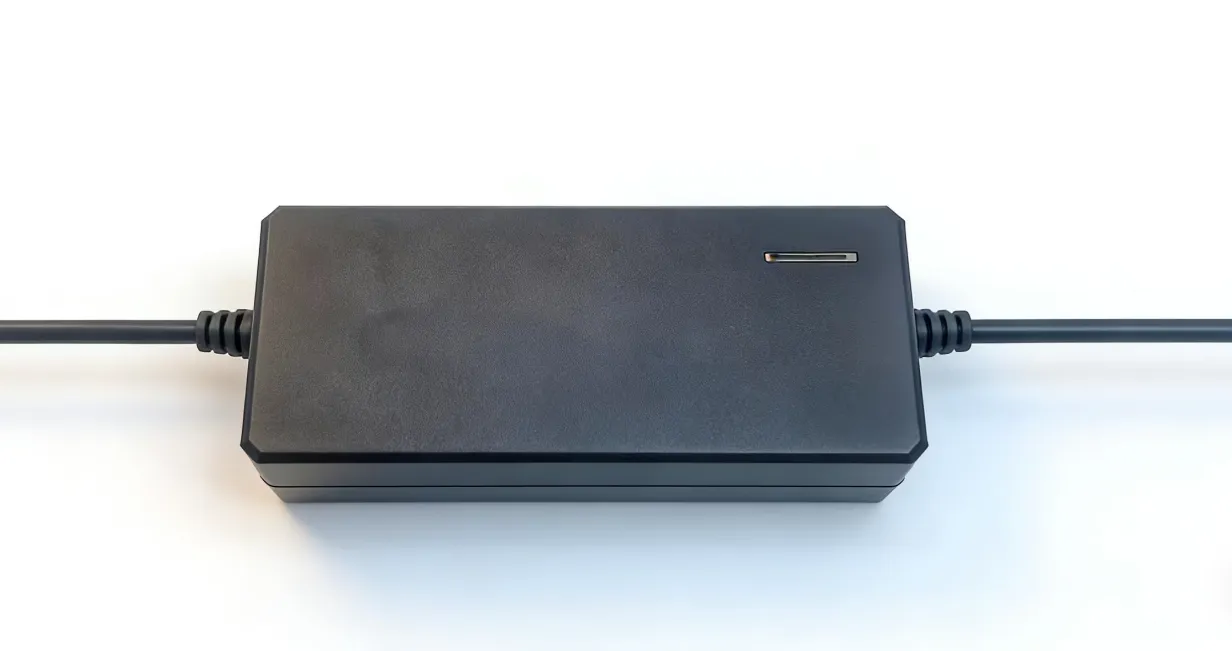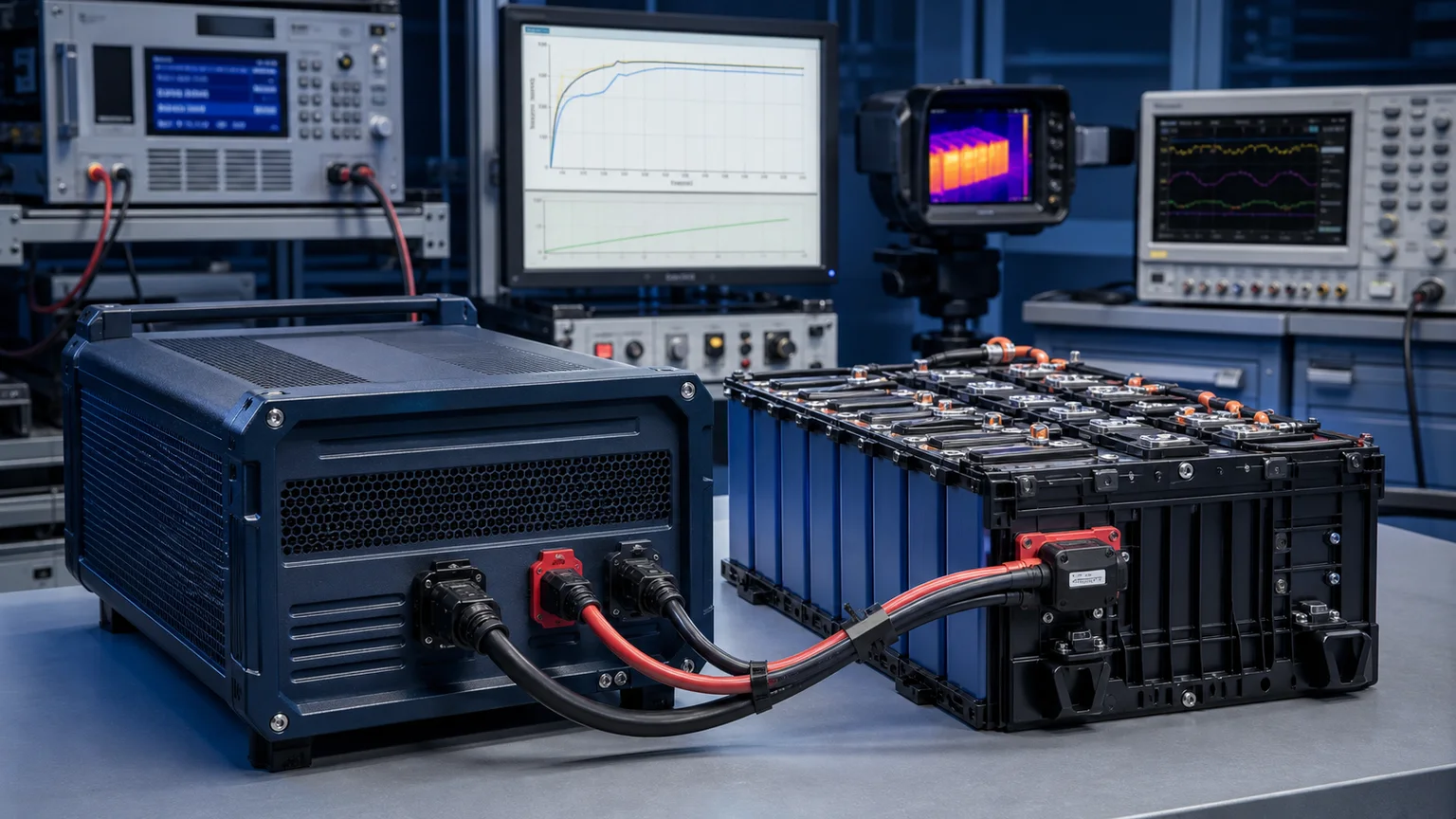

Walk into any auto parts store and you will see the same three words on three different products: trickle charger, float charger, battery maintainer. The labels are often used interchangeably, the price tags can range from $15 to $300, and the chemistry on the battery you are trying to keep alive — flooded lead acid, AGM, gel, or LiFePO4 — quietly decides whether any of them are safe to leave connected for six months.
This guide from 三一精工 Sanyi (Shenzhen Sanyi Technology Co., Ltd, www.szsanyi.com) walks through what each device actually does at the circuit level, where the terms diverge, and how to pick the right one for a stored car, boat, motorcycle, RV, lawn tractor, classic car, generator start battery, or off-grid solar bank — without cooking the pack you are trying to protect.
Why the Three Terms Get Confused
The confusion is historical. The first "trickle chargers" of the 1960s were unregulated transformer-rectifier blocks that delivered a steady low current — typically 500 mA to 2 A — directly into a battery. They worked because the alternator did the real charging; the trickle device only replaced self-discharge while the car sat over winter.
Through the 1980s, motorcycle and marine markets pushed for "float chargers" that regulated voltage instead of current. By the late 1990s, microcontroller-based "battery maintainers" added multi-stage profiles, desulfation pulses, and automatic disconnect.
Manufacturers never fully aligned their marketing terminology with the engineering generations, so today a product called a "trickle charger" on Amazon might actually be a fully featured smart maintainer, while a cheap "battery maintainer" can be a dumb trickle device in disguise. The only way to tell is to look at the spec sheet.
What Is a Trickle Charger?
A trickle charger, in the original engineering sense, is a constant-low-current device. It pushes a small current — usually 500 mA to 2 A for a 12 V automotive battery — into the pack regardless of state of charge. There is no voltage regulation loop, no termination criterion, and no monitoring.
This is fine while the battery is genuinely discharged, because the low current is well below the battery's charge acceptance rate. The problem starts once the battery reaches full charge. With no termination, current keeps flowing. On a flooded lead acid battery, this drives the electrolyte to gas (electrolysis of water into hydrogen and oxygen), dropping the level over weeks and exposing the plates. On a sealed AGM or gel battery, the same overcharge raises internal pressure, pops the safety valve, and dries the cell out permanently. On LiFePO4, continuous low current past the upper knee of the curve can push individual cells over 3.65 V, tripping the BMS or, worse, drifting cells out of balance.
This is why "dumb trickle" devices are quietly being phased out of every safety-conscious market. Leaving one connected for an entire winter is the single most common cause of "I came back in spring and the battery is dead" — not because the trickle did nothing, but because it did too much for too long.
A dumb trickle is acceptable for short-term assist only — for example, topping up a deeply discharged battery for 12 to 24 hours under supervision. It should never be the device you leave connected unattended.
What Is a Float Charger?
A float charger regulates voltage, not current. It holds the battery terminal voltage at a fixed setpoint and lets the battery draw whatever current it needs to maintain that voltage. As the battery reaches full charge, the current naturally tapers to a few tens of milliamps — just enough to offset self-discharge.
The setpoint matters. Standard float voltages for a nominal 12 V system are:
- Flooded lead acid: 13.2 to 13.5 V at 25 °C
- AGM: 13.4 to 13.6 V at 25 °C
- Gel: 13.5 to 13.8 V at 25 °C
- LiFePO4: float is not recommended. If a fixed voltage must be used for compatibility, keep it at or below 13.6 V (≈ 3.4 V/cell) and disconnect periodically.
Float differs from the absorption stage in a multi-stage charger. Absorption holds a higher voltage (typically 14.4 to 14.7 V for lead acid) for one to four hours to drive the final 10–20 % of capacity into the plates. Float is the lower, indefinite holding voltage that only replaces self-discharge.
A pure float charger is safer than a dumb trickle because it self-limits current. Its weakness is that the single fixed voltage is a compromise: too low and the battery slowly sulfates; too high and you still dry out AGM or destabilize LiFePO4 over months. Temperature drift makes this worse — a setpoint correct at 25 °C is wrong at 0 °C and dangerous at 40 °C.
What Is a Battery Maintainer?
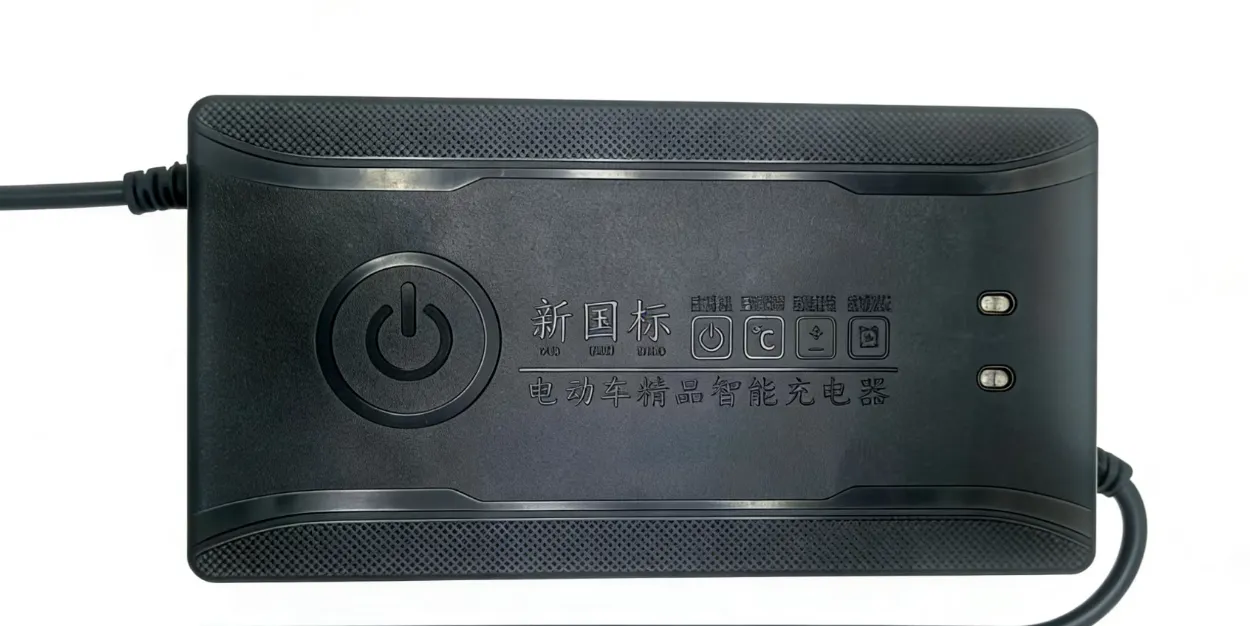
A battery maintainer is a microcontroller-driven, multi-stage charger built specifically for long-term unattended connection. The textbook profile looks like this:
- Diagnostic / qualification — verify the pack is not shorted, reversed, or sulfated beyond recovery
- Soft-start / desulfation — short pulses at higher voltage to break up sulfate crystals on lead acid plates (skipped or modified for LiFePO4)
- Bulk — constant current at the maximum the device can deliver, typically until 80 % SoC
- Absorption — constant voltage at 14.4–14.7 V (lead acid) or 14.2–14.6 V (LiFePO4) until current tapers
- Float / standby — drop to safe holding voltage, or for LiFePO4, disconnect entirely
- Cyclic monitoring — wake every few hours, measure resting voltage, top up only if SoC drops below threshold
The defining feature is that a maintainer only delivers energy when the battery actually needs it. It is the only architecture that is genuinely safe to leave connected for six months on AGM or LiFePO4. Modern maintainers add temperature compensation (typically −3 mV/°C/cell for lead acid), reverse-polarity protection, spark-free output, and chemistry selection switches.
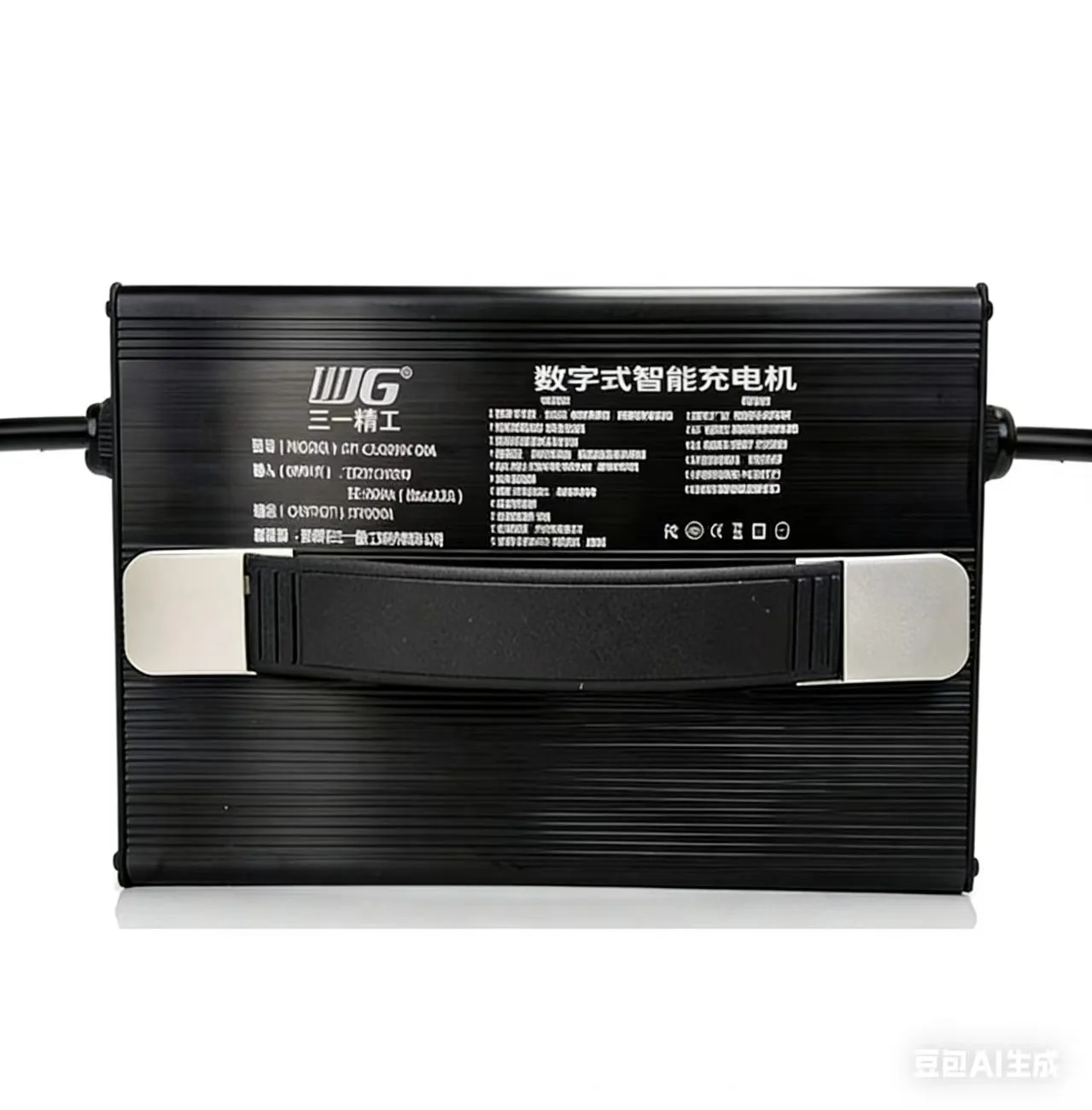
A Sanyi-designed maintainer — for example, the SY-C500W reference platform — implements the full diagnostic → bulk → absorption → cyclic monitoring state machine with chemistry presets for flooded, AGM, gel, and LiFePO4, plus a temperature sensor lead that lets the absorption setpoint slide with the battery's own temperature instead of the ambient air.
Side-by-Side Comparison
| Property | Trickle Charger | Float Charger | Battery Maintainer |
|---|---|---|---|
| Regulation target | Constant current | Constant voltage | Multi-stage state machine |
| Microcontroller | No | Optional | Yes |
| Overcharge protection | None | Passive (voltage clamp) | Active (current monitor + cyclic) |
| Termination | None | None | Yes — drops to standby or disconnects |
| Temperature compensation | No | Sometimes | Yes |
| Desulfation pulse | No | No | Yes (lead acid mode) |
| Safe for AGM | No (dries cell) | Borderline | Yes |
| Safe for LiFePO4 | No (damages pack) | No (use only short-term ≤ 13.6 V) | Yes (with LiFePO4 preset) |
| Safe long-term unattended | No | Lead acid only | Yes — all chemistries |
| Typical current | 0.5–2 A | 1–3 A | 1–15 A bulk, mA standby |
| Typical cost | $10–$30 | $40–$80 | $60–$300 |
| Best use case | Short manual top-up | Lead acid float, weeks at a time | Months-long unattended storage |
The bottom row is the one that matters. If the device will be plugged in and forgotten, you want a maintainer. Trickle and float devices have narrow windows of safe use; maintainers were designed for the "set and forget" mission from day one.
Use Case Matrix
Which device fits which application:
- Daily driver car — no maintainer needed; the alternator does the job. A maintainer only matters if the car sits for more than three weeks at a time.
- Seasonally stored car / truck (winter or summer storage) — smart maintainer with temperature compensation. Six months on a flooded battery in a cold garage will sulfate it without help.
- Motorcycle (5–8 month off-season) — smart maintainer, ring-terminal lead with quick-disconnect. Motorcycle batteries are small and unforgiving — a dumb trickle will boil them.
- Boat — smart maintainer with marine certification (UL 1236 / UL 1564 marine listing). Float-only chargers are common on shore power but should disconnect when AC drops to avoid backfeed.
- RV / camper (winter layup) — multi-bank smart maintainer for engine + house batteries; LiFePO4 house banks need a LiFePO4-preset maintainer or no float at all.
- Lawn tractor / ride-on mower (winter) — small smart maintainer, 750 mA–1.5 A. Lead acid only — most ride-ons still ship with flooded SLI.
- Classic / collector car — smart maintainer with temperature comp and reverse-polarity protection. The whole point is that the battery is irreplaceable in the sense that it lives in a car you actually want to start.
- Standby / generator start battery — smart maintainer with auto-restart after AC dropout, ideally with cyclic monitoring so the contractor knows the battery is still alive.
- Off-grid solar storage — solar charge controller already handles charging; a maintainer is only useful as a backup AC top-up during multi-week overcast periods, and on LiFePO4 it must use the LiFePO4 preset.
For multi-chemistry fleets (cars + boats + e-bikes + storage), Sanyi's SY-C500W and SY-C1000W platforms support the same chemistry presets through one PCB, so a single SKU covers the whole fleet. See the full catalog for power levels.
Lead Acid vs AGM vs LiFePO4: What Changes
The single most common mistake is using a lead-acid-only float charger on AGM or LiFePO4. The differences:
Flooded lead acid — tolerates float at 13.2–13.5 V indefinitely. Benefits from periodic equalization at 15.5 V (controlled, vented). Loses water under overcharge — top up with distilled water annually.
AGM — float at 13.4–13.6 V. Equalization is forbidden (no way to replace lost electrolyte). The valve-regulated design means any sustained overvoltage vents gas permanently, drying the cell. AGM tolerates higher charge currents than flooded (up to 0.4 C) but is unforgiving of overvoltage.
Gel — float at 13.5–13.8 V, but absorption must stay below 14.2 V to avoid permanent dry-out. Most gel failures are from chargers set to AGM profiles.
LiFePO4 — float is essentially a misconception for this chemistry. The correct long-term storage strategy is:
- Charge to 50–60 % SoC (≈ 13.2 V resting on a 12 V pack)
- Disconnect the charger
- Check every 1–3 months
- Top up only if SoC drops below ~30 %
LiFePO4 hates being held at high voltage. Continuous float at 14.0 V or higher accelerates calendar aging in a way that does not show up in the first month but is unmistakable by month eighteen. A maintainer with a true LiFePO4 preset will absorb to 14.2–14.6 V, then disconnect the output completely until the resting voltage drops below a re-arm threshold (typically 13.0–13.1 V).
Sanyi maintainers expose this re-arm threshold as a chemistry parameter, so the same hardware can serve a flooded golf cart pack and a LiFePO4 marine house bank by changing one switch position. For deeper detail on chemistry differences, see our LiFePO4 vs Lead Acid charger selection guide.
Connection Methods & Safety
Connection hardware is often an afterthought, but it determines how convenient (and how safe) the device actually is in practice.
- Alligator clips — fine for benchtop top-ups; do not use unattended. Vibration walks them off the post and a slipped clip can short across the terminals.
- Ring terminals (M6 / M8) — bolt directly to the battery posts with an in-line fuse and SAE quick-connect at the wire midpoint. This is the right answer for vehicles in long-term storage. Fuse rating: 5–10 A for a maintainer, 15–30 A for a higher-current charger.
- SAE quick-connect (2-pin) — the de facto standard for motorcycle / powersports maintainers. Pre-install on the bike; clip the maintainer on at storage time. Polarity is keyed by the SAE shell.
- OBD-II adapters — convenient on modern cars, but check whether the port is always live or ignition-switched. Many vehicles cut the OBD power with the ignition off, making the adapter useless for storage maintenance. The 2020-and-later VW / Audi platform and most BMW models switch OBD-II off.
- NATO 24 V (NATO slave) — military, truck, and some heavy equipment use a two-pole NATO socket. Industrial Sanyi maintainers ship with a NATO-compatible adapter as an option.
Certification points to look for on any maintainer you intend to leave plugged in unattended:
- UL 1236 — battery chargers for general use (US/Canada)
- UL 1564 — industrial battery chargers (forklift, AGV, larger packs)
- CE (EN 60335-2-29) — household and similar electrical appliances, battery chargers
- FCC Part 15 Class B — EMI for residential environments
- IEC 62133 for chargers that ship with a built-in battery (rare for maintainers)
Sanyi products in this class ship with UL 1564 + CE + FCC documentation; the test reports are available on request through the contact form.
Common Mistakes & Troubleshooting
"I left a dumb trickle on a LiFePO4 pack for a month and now the BMS won't reset." — The BMS opened on cell overvoltage and latched. Disconnect, let the pack rest for 24 hours, attempt a low-current charge with a LiFePO4-preset maintainer. If cells are visibly imbalanced (top cell > 200 mV above lowest), the pack needs active balancing — not the charger's job.
"My float charger is showing 'fully charged' but the car still won't start." — Probable causes: float voltage too low for the chemistry (e.g., flooded battery on an AGM-preset device at 13.8 V is borderline undercharged); or the battery has lost capacity to sulfation and the float is keeping it at "full" by voltage but not by Ah. Try a maintainer with a real desulfation stage, or replace the battery.
"Battery vented and the case is bulging." — Almost always a dumb trickle on a sealed AGM or gel battery. Recovery is not possible — replace and switch to a proper maintainer.
"The maintainer cycles on and off every five minutes." — Either the parasitic draw on the vehicle is higher than the maintainer's standby current (try a higher-current model), or the maintainer's re-arm threshold is set too high for the chemistry (LiFePO4 re-arm at 13.5 V will cycle constantly on a healthy pack — drop it to 13.0 V).
"I used the jump-starter outlet on my car charger as a maintainer." — Don't. Jump-start mode bypasses regulation and outputs 14–20 V at high current. Two hours on jump mode will boil any 12 V battery dry.
Sanyi Product Selection Guide
For long-term unattended maintenance on multi-chemistry fleets, Sanyi offers a family of microcontroller-driven maintainers built on a shared platform:
- SY-C500W-10A — 500 W / 10 A multi-chemistry maintainer. Presets for flooded lead acid, AGM, gel, and LiFePO4. Temperature-compensated absorption setpoint. UL 1564 / CE / FCC. Best for 12 V / 24 V automotive, marine, RV, and small storage applications.
- SY-C1000W-Series — 1000 W high-power class, configurable for 24 V / 36 V / 48 V / 60 V / 72 V output. Same multi-chemistry presets. Best for forklift, golf cart, AGV, and off-grid storage applications where bulk current matters as much as float behavior.
- Sanyi-designed BMS handshake — optional CAN/RS485 link for LiFePO4 packs with smart BMS, so the charger respects per-cell overvoltage flags instead of relying on terminal voltage alone.
For application-specific selection guidance, see:
- Marine battery charger selection guide (12V / 24V / 36V / 48V) — extends the maintainer concept to multi-bank marine systems
- Golf cart battery charger selection guide (36V / 48V) — covers off-season storage and equalization
- LiFePO4 vs Lead Acid charger selection guide — chemistry-level deep dive
FAQ
What is the difference between a trickle charger and a battery maintainer?
A trickle charger pushes a constant low current (typically 0.5–2 A) regardless of state of charge and has no termination logic — it will overcharge a full battery if left connected. A battery maintainer uses a microcontroller to monitor voltage and current, runs multi-stage charging, and either drops to a safe float or fully disconnects when the battery is full. For unattended long-term use, only a maintainer is safe.
Can I leave a battery maintainer connected for months?
Yes — that is what they are designed for. A modern smart maintainer with temperature compensation and chemistry presets can stay connected for the entire off-season (6–8 months) without damage. A dumb trickle charger cannot — leave it on for more than a few days at full charge and you will lose electrolyte or vent the cell.
What is the right float voltage for a 12 V AGM battery?
13.4–13.6 V at 25 °C. Above 13.8 V you risk venting the cell over months; below 13.2 V the battery will slowly sulfate. Temperature compensation matters — drop the setpoint by about 18 mV per °C above 25 °C, raise it by the same amount below 25 °C.
Can I use a lead acid trickle charger on a LiFePO4 battery?
No. Lead acid chargers use float voltages (13.5–13.8 V) and equalization pulses that will either trip the BMS, drive individual LiFePO4 cells over 3.65 V, or accelerate calendar aging. Use a charger with a LiFePO4 preset, or store the LiFePO4 pack at 50–60 % SoC disconnected.
How long can a trickle charger stay on?
A dumb trickle charger should not stay on more than 24–48 hours unattended. A float charger can stay on for weeks on lead acid; a smart maintainer can stay on indefinitely on any supported chemistry. The defining question is not how long the cable is plugged in but whether the device stops delivering energy when the battery is full.
Do I need a maintainer if my car is driven once a week?
Probably not — modern vehicles draw 20–50 mA in parasitic load, and a weekly 30-minute drive replaces a week of self-discharge plus parasitic on a healthy battery. A maintainer becomes necessary at the three-week mark, or earlier if the battery is older than four years.
What happens if I undersize a maintainer?
The maintainer will fail to keep up with the vehicle's parasitic draw. You will see it cycle on and off frequently, and the battery state of charge will slowly fall over weeks. Match the maintainer's standby current to at least 2–3 × the vehicle's parasitic draw — most modern cars need 750 mA minimum.
Contact Sanyi for Custom Multi-Chemistry Maintainer Solutions
Sanyi (三一精工) designs and manufactures smart battery maintainers, chargers, and power supplies for multi-chemistry fleets — automotive, marine, RV, forklift, AGV, off-grid storage. For OEM volume, custom chemistry profiles, or BMS handshake integration, contact our technical team for a tailored solution. We support sample evaluation, customized firmware behavior (re-arm thresholds, temperature compensation curves), and full certification packs (UL / CE / FCC).
.webp)